

Elkhart Life Church
Tongues in scripture
2 Questions asked of Chatgpt
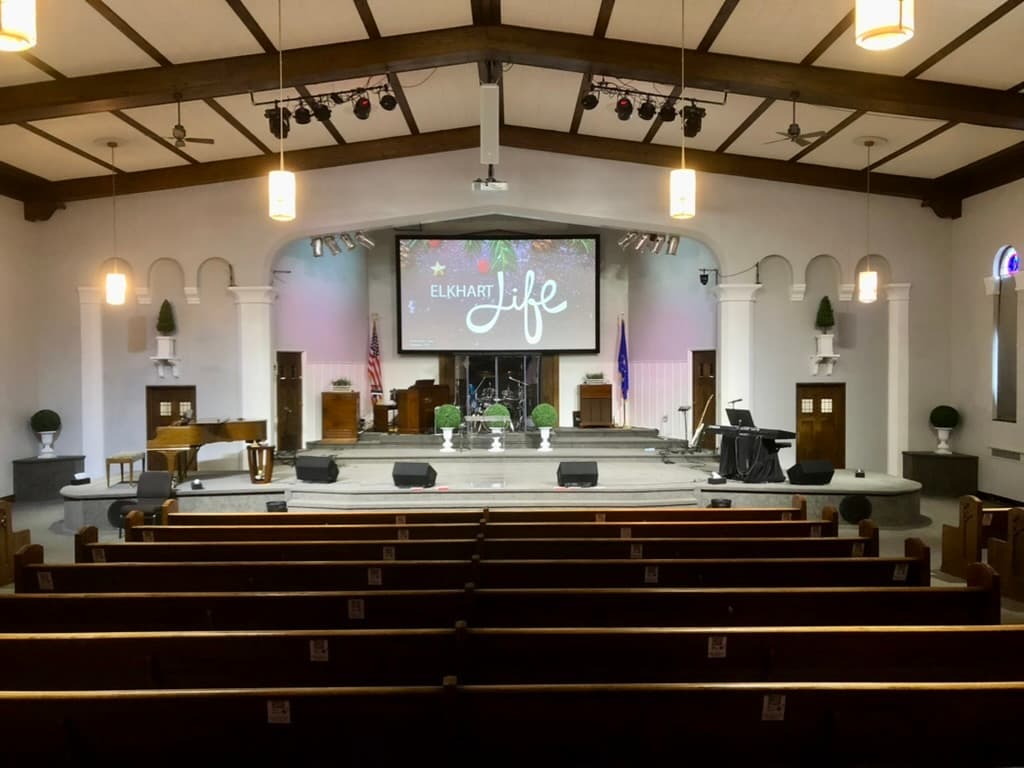
Two Questions I asked Chatgpt.
· What did Paul teach on Speaking in Tongues?
· What does the books of Acts say about Receiving the Holy Spirit shown by speaking in tongues?
The Apostle Paul taught extensively about speaking in tongues, especially in 1 Corinthians 12–14, where he offered a balanced, pastoral, and theological view. Here’s a breakdown of Paul’s teachings:
- Speaking in Tongues is a Gift of the Spirit
- 1 Corinthians 12:10 – Paul lists “divers kinds of tongues” and “interpretation of tongues” among the gifts of the Spirit.
- Gift of Tongues is not given to everyone (1 Cor. 12:30), emphasizing that spiritual gifts are diverse and distributed as the Spirit wills (1 Cor. 12:11).
“But all these worketh that one and the selfsame Spirit, dividing to every man severally as he will.” – 1 Cor. 12:11
- Tongues is Primarily a Means of Personal Edification
- 1 Corinthians 14:2, 4 – Speaking in tongues is primarily directed to God, and edifies the speaker rather than others unless interpreted.
“He that speaketh in an unknown tongue edifieth himself; but he that prophesieth edifieth the church.” – 1 Cor. 14:4
- Paul valued prophecy over uninterpreted tongues in public gatherings because prophecy builds up the church (1 Cor. 14:5).
- Interpretation is Necessary in Public Worship
- 1 Corinthians 14:5, 13, 27–28 – Paul emphasized that tongues spoken in church should be interpreted so that the church may benefit.
“Wherefore let him that speaketh in an unknown tongue pray that he may interpret.” – 1 Cor. 14:13 “If there be no interpreter, let him keep silence in the church…” – 1 Cor. 14:28 4. Paul Spoke in Tongues and Valued It
- 1 Corinthians 14:18 – Paul affirms, “I thank my God, I speak with tongues more than ye all.”
- However, in church, he’d rather speak five intelligible words to teach others than ten thousand in a tongue (v. 19).
- Tongues as a Sign
- 1 Corinthians 14:21–22 – Paul quotes Isaiah 28:11–12 to say that tongues are a sign to unbelievers, while prophecy is a sign to believers.
“Wherefore tongues are for a sign, not to them that believe, but to them that believe not…” – 1 Cor. 14:22
- Order in Public Worship
- Paul stressed order and intelligibility in worship.
- Only two or three should speak in tongues in a service, and only if there is interpretation (1 Cor. 14:27–28).
- God is not the author of confusion but of peace (1 Cor. 14:33).
- Do Not Forbid Speaking in Tongues
- 1 Corinthians 14:39 – Paul ends with a clear instruction:
“Wherefore, brethren, covet to prophesy, and forbid not to speak with tongues.”
Summary of Paul’s Teachings on Tongues:
| | | | | --- | --- | --- | | Teaching Point | Scriptural Reference | Application | | Tongues is a spiritual gift | 1 Cor. 12:10 | Not all believers will have it | | Edifies the speaker | 1 Cor. 14:4 | Useful for personal devotion | | Needs interpretation in public | 1 Cor. 14:13, 27–28 | Without it, remain silent in church | | Paul practiced it | 1 Cor. 14:18 | But valued understandable teaching in public | | Tongues is a sign to unbelievers | 1 Cor. 14:22 | But prophecy is better for believers | | Maintain order | 1 Cor. 14:33, 40 | No chaos in worship; all must be edifying | | Do not forbid tongues | 1 Cor. 14:39 | But use them properly |
What is the difference between what Paul taught and the book of Acts on Baptism of the Holy Spirit?
Great question—and a crucial comparison. Let’s look at how Paul’s teachings on speaking in tongues (primarily in 1 Corinthians) compare with the pattern of receiving the Holy Spirit with the evidence of speaking in tongues found in the book of Acts.
Side-by-Side Comparison: Paul in Corinthians vs. Acts Pattern
| | | | | --- | --- | --- | | Topic | Paul in 1 Corinthians | Luke in Acts (Receiving the Spirit) | | Context | Church conduct and spiritual gifts | Initial outpourings of the Holy Spirit | | Audience | Spirit-filled church (Corinth) | Unconverted or newly converted believers | | Purpose of Tongues | Edification, communication with God, public use with order | Initial evidence of Spirit baptism | | Do All Speak in Tongues? | No – Not all believers receive the gift (1 Cor. 12:30) | All who received the Spirit spoke in tongues in these accounts | | Is Tongues Evidence of Spirit Baptism? | No direct claim by Paul | Yes – In each clear case, tongues marked Spirit reception | | Interpretation Required? | Yes, in public worship (1 Cor. 14:27–28) | No indication in Acts—it was spontaneous and public | | Paul’s Personal Practice | He spoke in tongues often (1 Cor. 14:18) | Paul himself received the Spirit (Acts 9), spoke in tongues (Acts 19:6) | | Instructional Tone | Regulative and pastoral (how to use tongues properly) | Descriptive and narrative (what happened when people received the Spirit) |
- Tongues in Acts – As Evidence of Receiving the Spirit Acts 2:1–4 – Day of Pentecost (Jews in Jerusalem) “They were all filled with the Holy Ghost, and began to speak with other tongues, as the Spirit gave them utterance.”
- All 120 spoke in tongues.
- Sign to Jews present (Acts 2:6–8).
- Acts 10:44–46 – Cornelius’ Household (Gentiles) “For they heard them speak with tongues, and magnify God…”
- Tongues were the proof to Peter and the Jews that Gentiles had received the Spirit (Acts 10:47).
- They were baptized afterward, confirming that tongues came with the Spirit baptism.
- Acts 19:1–6 – Disciples of John at Ephesus “…the Holy Ghost came on them; and they spake with tongues, and prophesied.”
- Paul lays hands on them, they speak in tongues.
- This validates Paul’s belief that tongues are part of Spirit reception.
- Acts 8:14–19 – Samaritans Receive the Spirit
- No tongues explicitly mentioned, but Simon saw something visible when the Spirit was given, leading most scholars and Pentecostals to conclude tongues were likely present.
Synthesis: What Do We Learn?
| | | | --- | --- | | Aspect | Summary | | In Acts | Tongues is a sign of initial infilling with the Holy Ghost | | In Paul’s Letters | Tongues is a spiritual gift that edifies, should be orderly in church | | Harmony Between the Two | Speaking in tongues occurs at Spirit baptism (Acts); the gift continues for edification (Corinthians) | | Different Emphases | Acts = sign and experience; Corinthians = gift and order | | Paul’s View in Light of Acts | Paul does not contradict Acts; he adds teaching on how to handle tongues in the church context |
Key Takeaways
-
Acts emphasizes tongues as initial evidence of Spirit baptism—a sign that someone has received the Holy Ghost.
-
Paul emphasizes tongues as a gift of the Spirit for prayer, worship, and corporate edification—distinct from the initial receiving of the Spirit.
-
Both are valid and complementary perspectives:
-
Acts shows the experience of receiving the Spirit.
-
Paul gives the regulation and purpose of the ongoing use of tongues.